


When Apple released the first iPhone in January 2007, it turned the mobile world on its head. It eliminated the physical keyboard, untethered the internet, democratized photography, and let you pick your own apps. Why was this so genius? Because Apple didn’t just iterate on the mobile device concept; they gave you an “everything device.” They were no longer selling functions but rather providing possibilities. The iPhone wasn’t a contented improvement over existing technology; it was a reimagining of what was possible.
Before the iPhone hit the market, the device-du-jour was arguably the Motorola Razr. It’s slim, dark lines and functional design screamed coolness when you one-handed it open with a snap. But you simply owned a Razr. Just like everyone else. And 4-4-3-3-5-5-5-5-5-5-6-6-6 simply spelled “hello.” In other words, the device dictated its own usefulness.
The iPhone destroyed that overnight.
You made the iPhone what you wanted it to be. You took your own photos and made them wallpaper. You installed the apps of your choosing. Needed a camera, a scanner, a to-do list, a nav device, a video? Well, there were apps for all that, and you could install or subscribe to the app or service you wanted. Simply put, you defined the device instead of it defining you.
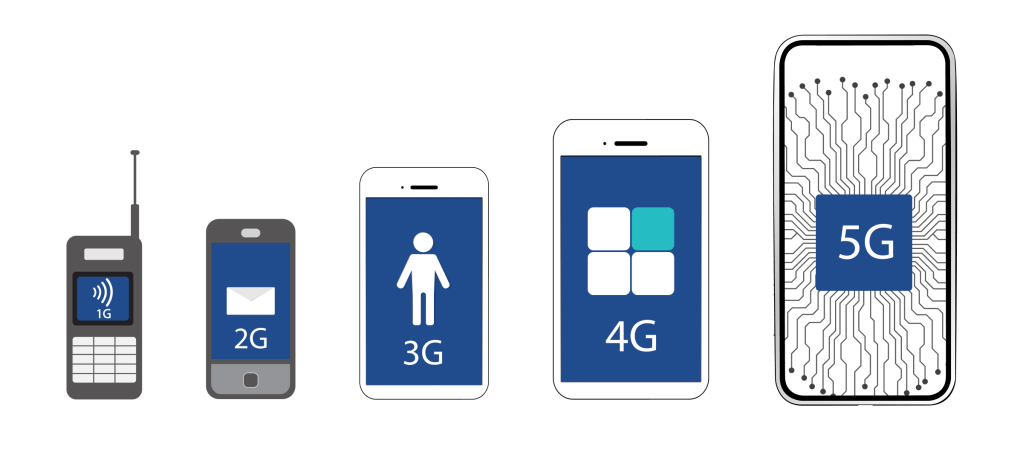
So, why this trip into digital nostalgia when I’m supposed to be discussing learning software solutions, and content development? Because we are again at a time when the scales are about to tip and the world shifts.
Artificial intelligence (AI) – call them bots, tools, enhancements, or features – is showing up in nearly every genre of software today. Even my browser tries to predict my thoughts and offers writing suggestions. (Don’t fret; a real-breathing human wrote this piece.) Likewise, the Learning and Development space is seeing a rising tide of AI features like content generation, tone and grammar analysis, question creation, and the list goes on. While these remarkable functions make designers’ work easier and more efficient, I would argue they are the “default apps” of our day. Put another way, they are akin to the “Snake” game on my original Razr.
Now before your hackles flare, let me clarify.
I loved that Snake game. I spent more hours chasing my own tail and collecting apples than I care to confess, because the app was simple and fun and provided exactly what it was designed to do. Just like the AI features showing up in our software. There is unquestionably a desire and necessity for features and functions like these. Sometimes you just need an easy button to get the job done. Sometimes generating 10 questions or auto analyzing the structure of your content is the starting place you need.

But what happens when I.T. approves a different LLM than the one leveraged in your software? What happens when the questions, images, or content generated isn’t as helpful as you imagined it? What happens when your security team questions the data privacy and policies behind the provided features? Sometimes the one-size-fits-all approach of these types of solutions doesn’t fit the unique needs of individuals or organizations. That’s why these questions drive me to beg for possibilities instead of just features.
Because we in the corporate learning space deal in proprietary content, and the need for security, governance, and privacy are paramount, we cannot be satisfied with only point-style, single function solutions. Nor can we continue with the right conscious to leverage under-the-table tools and services known to be helpful. Copy-and-pasting to and from your LLM of choice is only going to get you so far before all the cobra-like questions above rear their heads. So, what is the solution?
A rethinking. A reimagining.
I’m not calling for a replacement of single function solutions. By no means. I love the default apps on my phone, just as I tend to be fascinated by many of the new AI features showing up in my content tools. What I am asking for is for software companies to start thinking in possibilities and accounting for the flexibility and adaptability required by the unique content needs of Learning and Development. Yes, I appreciate your easy buttons, but as an organization using your software, I want to thoughtfully choose which AI features are included in our technology ecosystem. I want to be able to connect the services most useful to my team in their workflow. I want to be able to finetune the results I get from these tools because my organization has different needs than our neighbors. And I want to be able to select the LLM that best aligns with my security specifications, language requirements, or exclusive content needs. Essentially, I want to focus on the solutions my teams need instead of the software determining them for me.
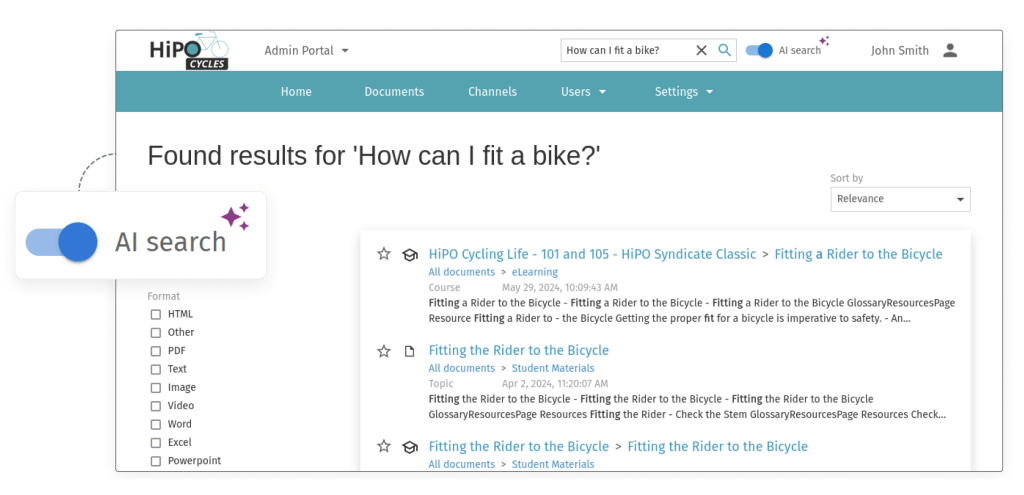
This is precisely MadCap Software’s direction with Sidekick, an innovative, extensible toolkit within MadCap Create. Sidekick is a flexible, customizable content management tool that allows you to perform both conventional and AI-enhanced actions on MadCap Xyleme content. Sidekick starts by letting you define a collection of content and then perform actions on that collection – from publishing and exporting workflows to deeper analysis or even AI-enabled content generation. At initial release, customers can leverage a list of provided “kicks” such as AI summarization, collection publication, analysis, and more. And future iterations expect to see deeper integration, duplication detection, creation of custom “kicks,” and even the extension of Xyeme’s own UI. This means neither your content nor the actions you perform on it are limited by the constraints of the software. Imagine leveraging the functionality of 3rd party tools seamlessly inside your content creation workflow. Or being able to send selected snippets of content anywhere in your technology stack when and where you need it. These ideas will allow organizations to integrate and adapt their own chosen AI tools into their authoring workflow to fit their specific content requirements.
In L&D we’ve discussed for years the value behind personalization, in the flow of work learning. We know that the best way for someone to improve is to meet their learning needs when and where they need it. That’s all I’m asking for now in how we continue the rush down the road of AI implementation. Don’t let your vision be clouded by where we’ve been. Be brave enough to not just give solutions but rather offer possibilities. Because the software solution that allows me to build in the AI of my choice, meet the exact needs of my employees, and leverage the services I need where I do my work, just iterated on the magic that made the iPhone so revolutionary.
Now, please excuse me. I have to go beat my high score on snake.